
How Much Does Hail Damage Devalue a Vehicle? Find Out Here.

How Much Does Hail Damage Devalue a Vehicle? Find Out Here.

January 27, 2025
Every year, billions of dollars are spent on automotive hail damage. Hailstorms can significantly affect vehicles, leading to costly repairs and potential devaluation.

‍

Hail damage impacts more than just the appearance of your car—it can compromise its resale value and long-term durability. But not all damage has to result in significant devaluation. The repair method you choose can make a big difference.

‍

How Much Does Hail Damage Devalue Your Vehicle?

‍

Hail damage can decrease your car’s value by thousands of dollars. Even moderate hailstorms can cause $5,000 to $7,000 worth of damage. Larger dents and more widespread damage lead to higher repair costs and greater devaluation.

‍

Potential buyers often hesitate to pay full Bluebook value for a car with visible dents or paint imperfections. However, proper repairs can mitigate these effects and restore your car’s value.

‍

Is Hail Damage Repair Worth It?

‍

Repairing hail damage is always worth it, even for older or lower-value vehicles. Here’s why:

‍

  • Preventing Rust and Corrosion: Left untreated, dents can lead to rust, especially if paint is chipped. Rust can spread, weakening the car’s structure.
  • Addressing Hidden Damage: Repairs often uncover less visible issues, such as mechanical damage or compromised safety components.
  • Preserving Resale Value: A well-maintained vehicle retains its value better than one with visible damage.

‍

Types of Hail Damage Repair

‍

There are two primary methods for addressing hail damage:

‍

1. Traditional Dent Repair

Traditional repairs involve filling dents with plastic resin. The filler is sanded, primed, and painted. While effective for severe damage, this process is labor-intensive and time-consuming.

‍

2. Paintless Dent Repair (PDR)

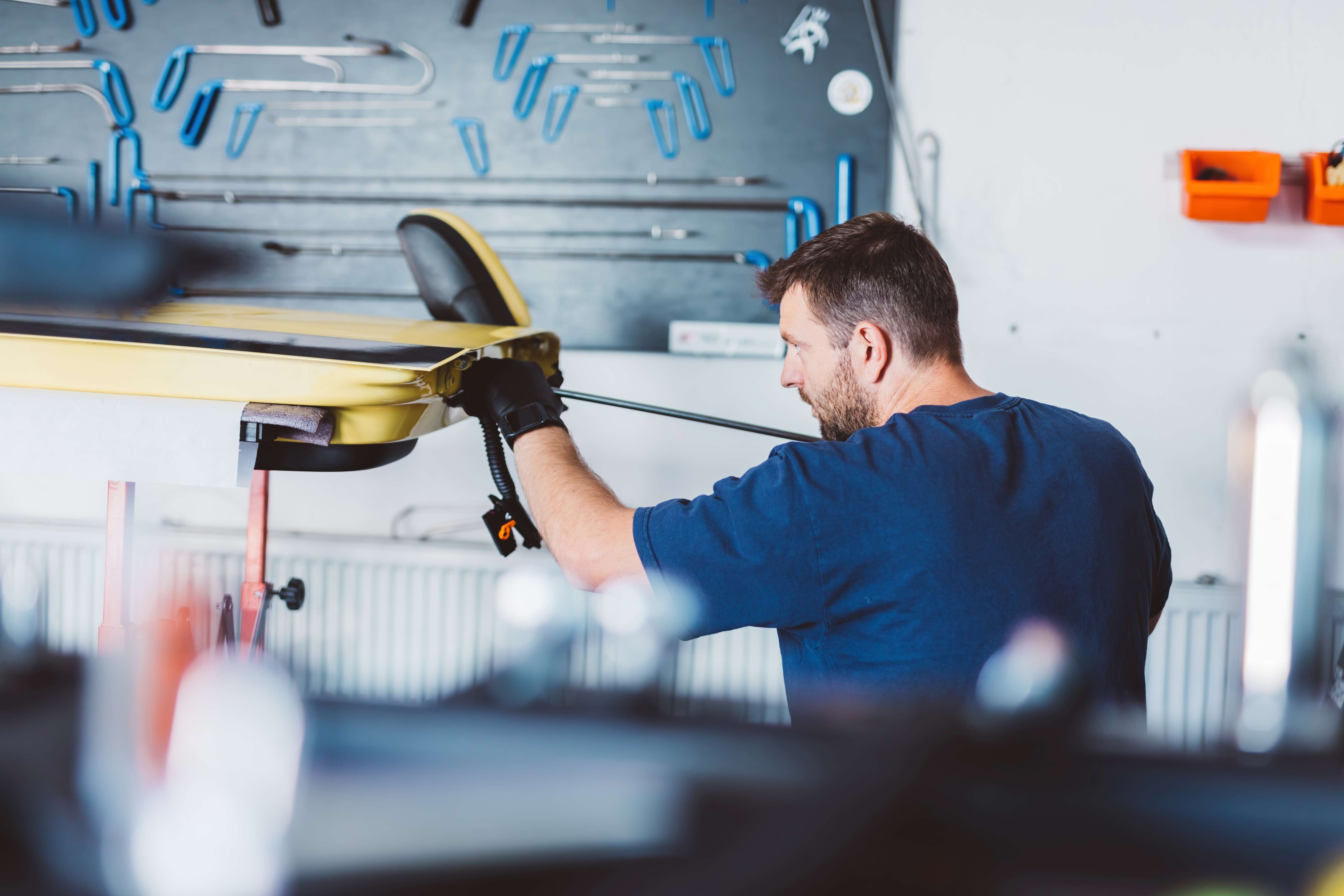
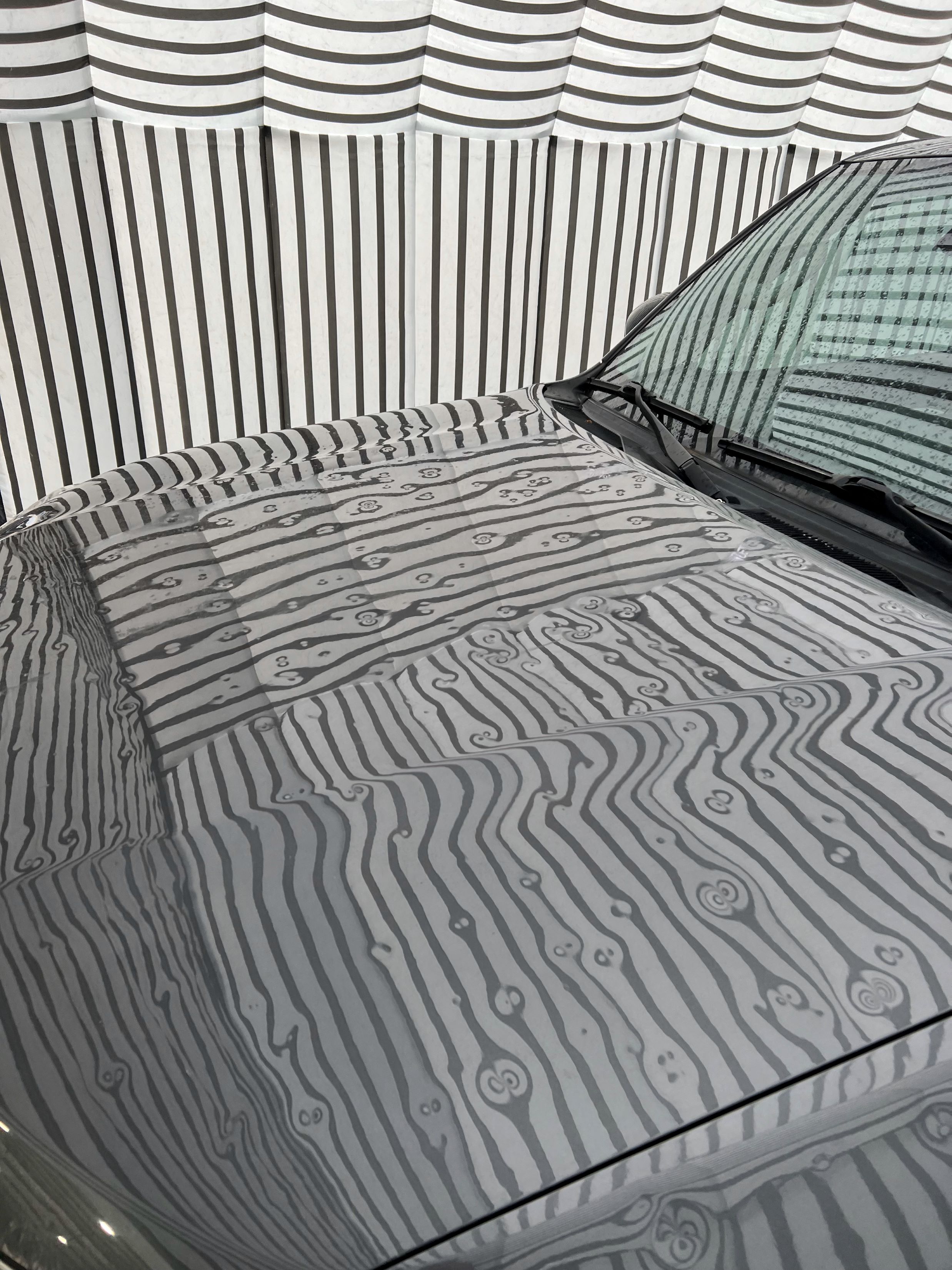
Paintless dent repair uses specialized tools to reshape the metal without fillers or repainting. It’s ideal for most hail damage and offers a faster, more cost-effective solution.

‍

Pros and Cons: Traditional vs. Paintless Dent Repair

‍

Paintless Dent Repair (PDR)

‍

Pros:

  • Time Efficiency: Each dent takes only minutes to fix. Most repairs are completed in one to two days.
  • Cost Savings: Fewer materials and reduced labor make PDR more affordable.
  • Durability: Restores the original metal, ensuring long-lasting results.
  • Eco-Friendly: No paints or harsh chemicals are used, reducing environmental impact.

‍

Cons:

  • Limited to minor or moderate damage without paint issues.

‍

Traditional Dent Repair

‍

Pros:

  • Handles severe dents and creases.
  • Repairs paint chips or scratches along with dents.

‍

Cons:

  • More time-consuming due to sanding, priming, and painting.
  • Fillers can degrade over time, reducing durability and resale value.

‍

How Does Repair Method Impact Vehicle Devaluation?

‍

PDR is highly effective at preserving your car’s value. It restores the original surface without adding fillers, ensuring durability and an untouched factory finish.

‍

In contrast, traditional repairs using fillers can degrade, leading to cracks and diminishing the car’s resale appeal over time.

‍

Find Automotive Hail Damage Repair Near You

‍

Restoring your vehicle after hail damage doesn’t have to be overwhelming. By choosing the right repair method, you can minimize devaluation and extend your car’s lifespan.

‍

48-Hour Auto Hail Repair offers:

  • Fast, affordable repairs using advanced tools and techniques.
  • Paintless dent repair expertise, ensuring minimal devaluation.
  • Claims assistance, simplifying insurance processes.

‍

Contact us today for a free custom estimate and start restoring your car to its original condition.
PUBLICACIONES RECIENTES