Do I Have to Pay My Deductible for Hail Damage Repair? | 48-Hour Auto Hail Repair

March 27, 2026


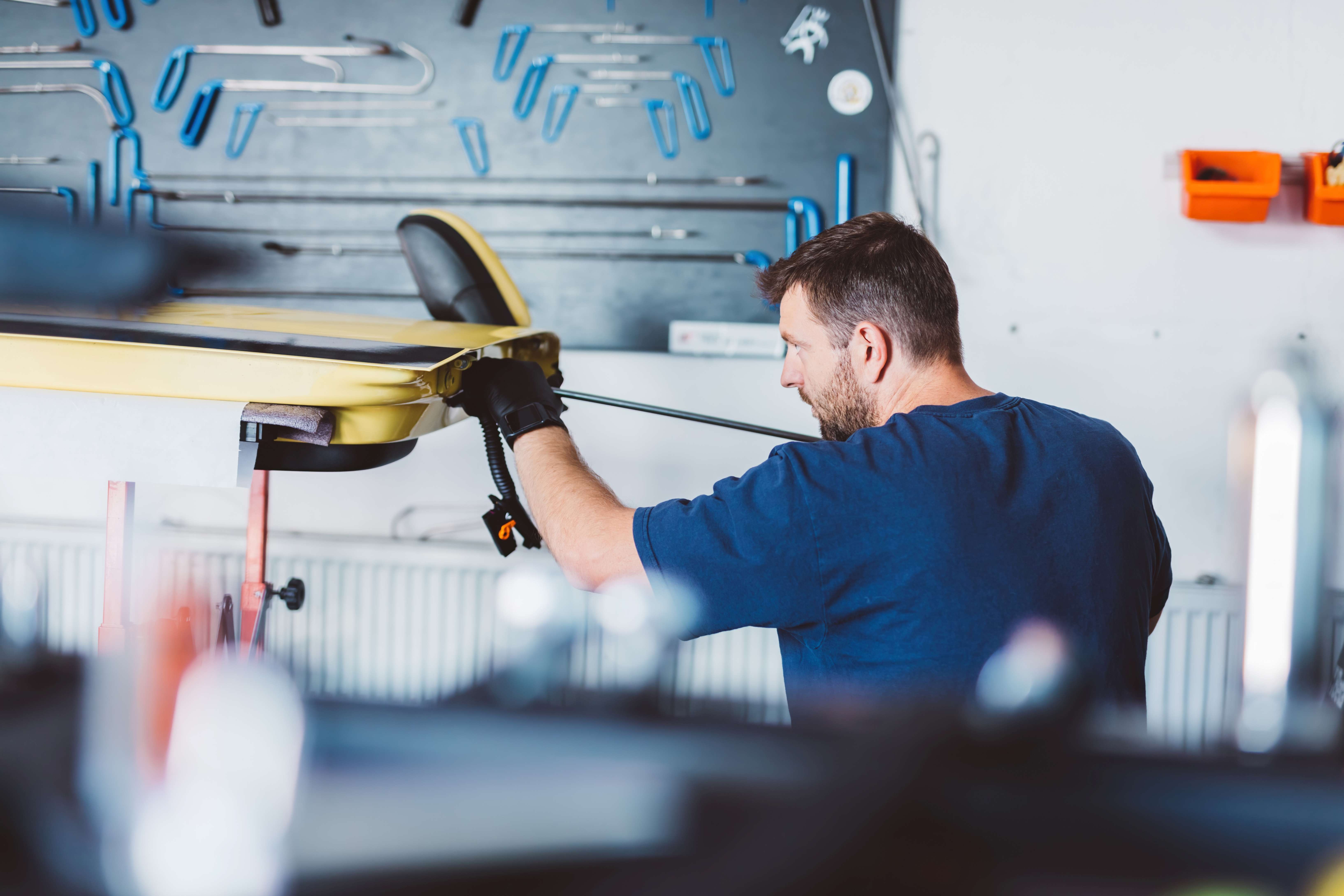
Paintless dent repair (PDR) is a vehicle repair technique that removes dents, dings, and hail damage from a car's body panels without sanding, fillers, or repainting. Trained technicians use specialized metal rods and glue-pull tools to massage dented metal back to its original shape from behind the panel — preserving the factory paint finish.
PDR is widely considered the gold standard for repairing hail damage on vehicles because it is faster, more affordable, and less invasive than traditional auto body repair.
PDR works by carefully manipulating the damaged metal from the inside out. Here is the step-by-step process:
1. Damage assessment
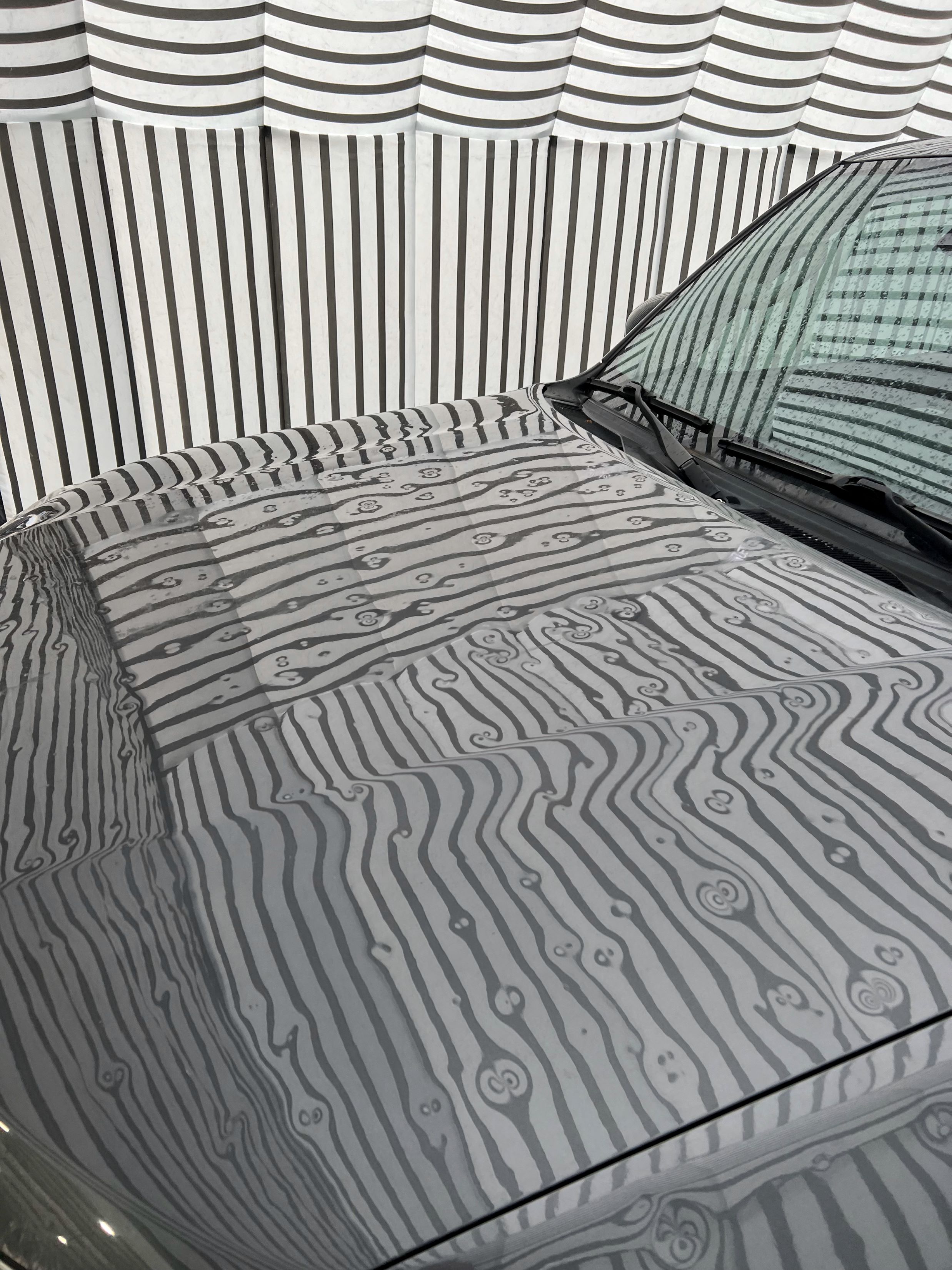
A technician inspects the vehicle under specialized LED lighting boards that reveal the size, depth, and location of every dent. This determines whether PDR is a viable option and how long the repair will take.
2. Access point identification
The technician identifies the best access point behind each dented panel — through existing openings like window frames, tail light cavities, or by temporarily removing interior trim panels.
3. Dent manipulation
Using long, slender metal rods, the technician applies precise pressure to the back of the dent, gradually pushing the metal back toward its original position. This requires significant skill — too much pressure in the wrong spot can crease the metal permanently.
4. Glue-pull technique (when needed)
For dents where backside access is limited — such as on hood skins or door edges — technicians use a glue-pull system. A plastic tab is glued to the front of the dent and a slide hammer is used to pull the metal outward.
5. Final detailing and inspection
Once the dent is removed, the technician inspects the repair under lighting to ensure the panel surface is completely smooth. No painting, sanding, or filler is required.
PDR is effective for:
PDR is not suitable for:
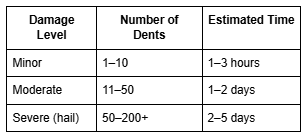
Repair time depends on the extent of the damage:
Many PDR shops also offer mobile service, where a technician comes to your home or workplace — making the process even more convenient for smaller jobs.
PDR costs vary depending on the number of dents, their size, and panel location. General pricing guidelines:
PDR is typically 50–70% less expensive than traditional body shop repair for the same damage. Most comprehensive auto insurance policies cover hail damage repair, meaning many vehicle owners pay only their deductible.
No — properly performed PDR does not negatively affect a vehicle's resale value. In fact, it protects it. Because PDR preserves the original factory paint, the vehicle retains its original finish integrity. Unrepaired hail damage, by contrast, can significantly lower trade-in and private-sale values and may be flagged during vehicle inspections.

Not all PDR technicians have the same skill level. When choosing a shop or mobile technician, look for:
Does paintless dent repair really work?
Yes. When performed by a skilled technician on appropriate damage, PDR consistently restores panels to their pre-damage condition. It is the repair method recommended by most insurance companies for hail damage.
Will PDR damage my car's paint?
No. PDR does not touch the exterior paint surface. The repair is performed entirely from behind the panel, so the factory finish is fully preserved.
Can PDR fix large dents?
PDR can fix dents up to several inches in diameter, provided the paint is intact and the metal has not been overstretched. Very large, deep, or sharp dents may require traditional repair.
Is paintless dent repair covered by insurance?
Hail damage is typically covered under comprehensive auto insurance. PDR is the preferred repair method for insurers because it costs less than body shop alternatives. You will generally be responsible only for your deductible.
How do I know if my car needs PDR or a body shop?
If the paint on the dented area is intact, PDR is almost always the right choice. If the paint is cracked, chipped, or the metal has a sharp crease, a traditional body shop repair may be necessary. A qualified PDR technician can assess this at no cost during an initial estimate.
Can PDR be done on all vehicles?
PDR can be performed on most modern vehicles. However, some panels — particularly on older vehicles or those with thick, rigid steel — may be less responsive. Aluminum panels, which are common on newer vehicles, require specialized PDR techniques.
Looking for hail damage repair near you? Contact our team for a free estimate — we work directly with your insurance company to make the process simple.